Beyond the Heat Lamp: A Winter 2026 Field Guide to Britain’s Pizza Delivery Cold Mile
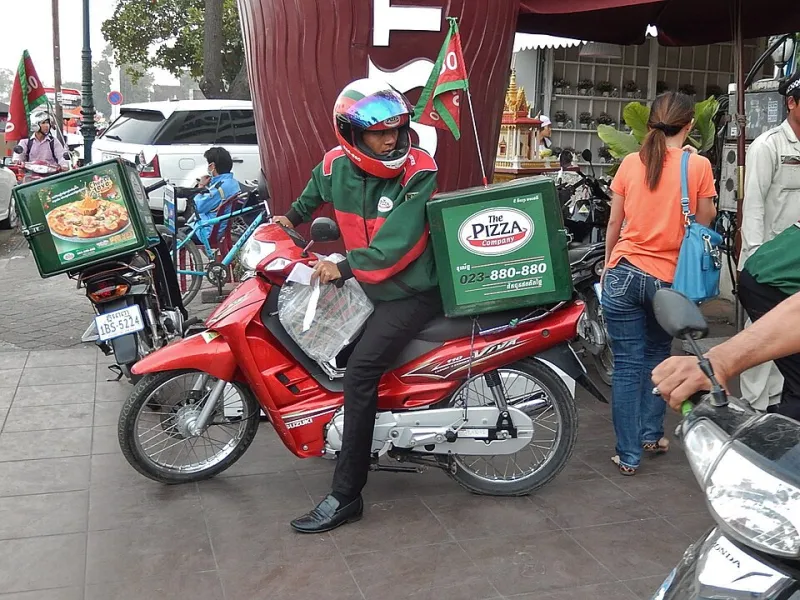
Photo: Michael Coghlan, CC BY-SA 2.0, via Wikimedia Commons
It is 6.12pm on a wet Friday in November 2026. Your phone says the pizza is being prepared. By 6.19pm it is out of the oven, boxed and sitting under a heat lamp. By 6.51pm it is at your door, slightly deflated, with cheese that has stopped bubbling and a base that feels more flexible than it should. Nothing has gone dramatically wrong. This is simply the cold mile: the stretch between a hot oven and a hungry household, and in winter it is the most honest test of any pizza delivery operation.
The first five minutes are a steam trap
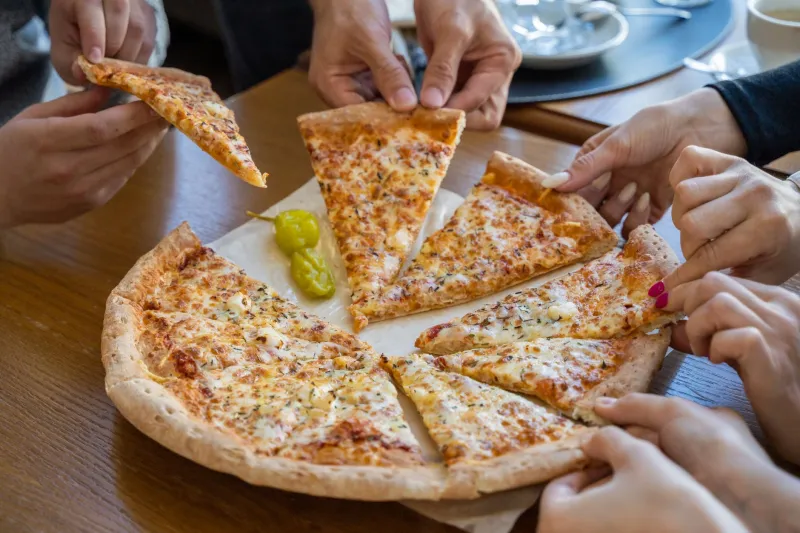
A pizza does not leave the oven and stop cooking. It keeps throwing off moisture, especially if there is a wet sauce, a mountain of vegetables or a considerably generous hand with the mozzarella. In a closed box, that steam has nowhere to go. It softens the crust from the outside in, turns crisp edges chewy and makes the centre go limp before the rider has even clipped the bag shut.
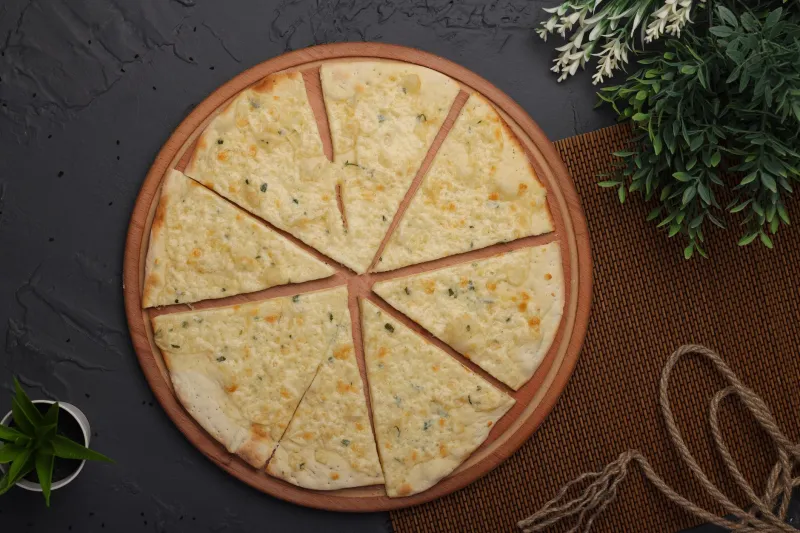
Good shops know this. They use vented boxes, avoid stacking hot pizzas too tightly and sometimes leave a gap at the edge of the lid. They also slice with a little thought: cutting releases steam, so a pizza cut and boxed immediately will soften faster than one given a minute to settle. That minute can feel like an eternity on a busy Friday, but it is often the difference between a crust with snap and a crust with the structural integrity of a damp tea towel.
The heat lamp is another misunderstood piece of kit. It keeps a pizza warm-ish, but it does not keep it crisp. Under a lamp, cheese stays glossy and the top stays pleasant; underneath, the base slowly gives up. The longer a box waits on the pass, the more you are eating a race against condensation.
The insulated bag is not a magic oven
Delivery bags are better than nothing, but they are not portable wood-fired ovens. A proper thermal backpack traps heat, yet it also traps moisture. Some riders use rigid pizza pods; others use soft bags with a hot brick or a foil liner. In winter 2026, with temperatures dipping and rain arriving sideways, the bag is doing two jobs at once: keeping the pizza warm and keeping the British weather out. It cannot always do both perfectly.
Batching is the quiet villain. If your order is paired with another drop on the same route, your pizza may spend ten extra minutes in the bag while the rider finds a buzzer, climbs three flights or waits at a barrier. That is not necessarily bad practice; it is economics. But it explains why the app’s cheerful 25 to 35 minutes can feel like a work of fiction when you are standing by the door with a plate in one hand.
The cold mile, British edition
British delivery routes have their own special miseries. A straight line on a map can mean a one-way system, a closed road, a level crossing or a bus lane that only looks optional. Terraced streets offer nowhere to park. Victorian flats offer a buzzer system that has not worked since the last refurbishment. New-build estates offer postcodes that sat-navs treat as suggestions. Add rain, dark at 4.30pm and a rider on an e-bike, and the cold mile becomes a small obstacle course.
The final 90 seconds matter more than most people think. A pizza left in the bag while the rider searches for flat 14 is still losing heat. A drop marked leave at door adds a few more minutes of cooling before you notice the notification. A handover at a communal entrance is quicker than a climb to the fourth floor, but only if someone is actually downstairs to meet it.
How to spot an operation that respects the crust
You do not need to interrogate every member of staff. A few signals tell you plenty. Look for a menu that talks about oven-to-door timing rather than only order-to-door timing. Check whether the shop has a sensible delivery radius instead of promising hot pizza to the next county. Read recent reviews for the word cold, not just the word late; cold is a kitchen-and-packaging problem, late is a traffic problem, and they are not the same thing.
Packaging is another clue. Vented boxes, separate bags for garlic bread and sides, and a rider who arrives with the pizza bag still zipped are all small signs of care. A shop that lets you collect is often a shop that trusts its own crust. Collection is not always convenient, but it removes the cold mile entirely, and on a winter Friday that is worth something.
Five questions worth asking before you tap pay
- Is the quoted time order-to-door or oven-to-door? The second number is the one that matters.
- How far away is the shop, really? A 20-minute promise across a city centre at 7pm is a creative writing exercise.
- Are sides travelling in the same box? Garlic bread pressed against a hot pizza is a steam sandwich waiting to happen.
- What packaging does the shop use? If they cannot tell you, they probably have not thought about it.
- Can I collect? If the answer is yes, you have a fallback when the rain turns horizontal.
If it arrives lukewarm, rescue it properly
The microwave is the enemy of pizza. It heats the water in the sauce and cheese, turns the base rubbery and leaves you with a slice that is hot on the lips and sad in the hand. A better rescue is a hot oven: preheat to around 220C fan, put the slices on a baking tray or a pizza stone for six to eight minutes, and let the base crisp again. An air fryer works well for a couple of slices at about 180C for three to four minutes. A grill can revive the top, but watch it closely; cheese goes from bubbling to carbonised faster than you think.
If the base is soggy, a frying pan can help. Warm the slice base-down over a medium heat for a couple of minutes, then finish it under the grill. If the toppings are wet, lift off any watery vegetables before reheating and add them back at the end. And keep it safe: do not leave a lukewarm pizza sitting out for hours, do not reheat it twice, and make sure it is steaming hot all the way through before you serve it.
A pizza delivery is not just a transaction. It is a short, fragile journey through steam, traffic and British weather. The best operations respect that journey. The rest hope you will not notice. In winter 2026, with the rain against the window and the family hovering by the door, noticing is half the battle, and rescuing the crust is the other half.