The Crust Decoder: What Sourdough, Neapolitan, Roman and Detroit Really Promise Your Family
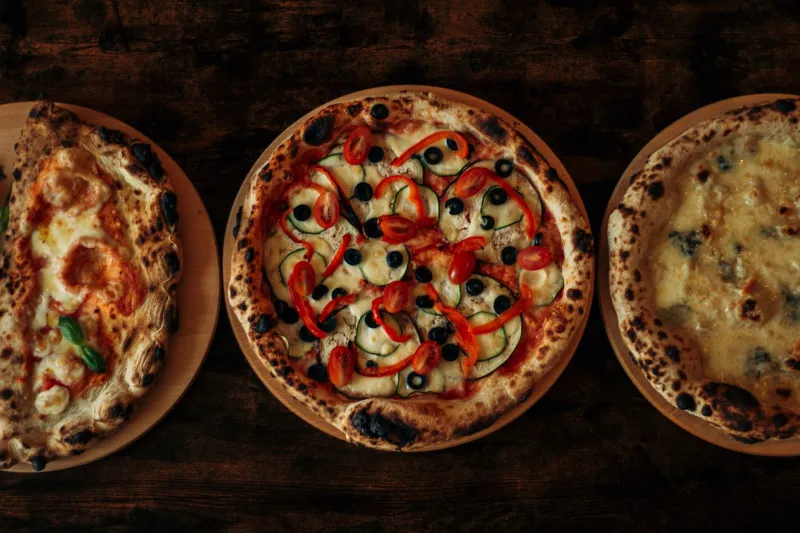
Walk into almost any UK pizzeria in 2026 and the menu will start talking before you have even ordered. Sourdough. Neapolitan. Roman-style. Detroit. Sometimes all four appear on the same page, like a crust-based GCSE syllabus. For families trying to feed hungry children without a mid-meal debate, this vocabulary can be more confusing than helpful. So let us decode the crust labels without the foodie fog.
The key thing to remember is that these terms are not all doing the same job. Some describe ingredients. Some describe a cooking method. Some describe a shape. And some are used rather loosely by restaurants hoping to sound a little more artisan than the pizza actually is. None of this is a scandal, but a bit of crust literacy helps you spend your money wisely.
Sourdough: flavour first, rules second
On a UK menu, sourdough usually promises a dough risen with a live starter rather than commercial yeast. That starter gives the crust a tangier flavour, a chewier texture and often a more blistered, rustic look. It can also make the base feel a little more substantial than a standard fast-risen dough.
What it does not guarantee is a specific shape, topping or oven. British independents often use sourdough for their everyday house base, while some chains use the word to signal a slower fermentation and a more homemade feel. Look for phrases like naturally leavened or long-fermented if you want the full story. A sourdough pizza can be brilliant for families because the crust tends to have more character and holds up well with generous toppings.
One word of caution: sourdough is not automatically gluten-free. It is still wheat flour, just made differently. If your family has dietary needs, ask the restaurant directly rather than relying on the label.
Neapolitan: soft, puffy and best eaten fast
Neapolitan is the most rule-bound label on the list. A true Neapolitan pizza follows a fairly strict tradition: finely milled flour, a long rise, a soft and puffy edge, and a very hot oven that creates leopard-spotted blisters in about a minute. The centre should be soft enough to fold, not crisp like a biscuit.
In the UK, you will see two versions. Some pizzerias follow the traditional rules closely and serve a proper knife-and-fork affair. Others say Neapolitan-style, which is a polite way of admitting they have adapted the idea to their oven, their flour or their British customer expectations. Neither is bad. The style is brilliant for anyone who loves a airy, doughy crust and a light, tomato-forward topping.
For children, Neapolitan can be a mixed blessing. The soft crust is easy to eat, but the wet centre can flop when picked up. If your little ones insist on handheld slices, ask for it well done or choose a different style. For adults who like a slower, more tactile pizza night, it is hard to beat.
Roman-style: two pizzas wearing one coat
Roman-style is the trickiest label because it covers two very different pizzas. The first is Roman tonda, a thin, crisp round pizza that cracks rather than folds. The second is pizza al taglio, a rectangular tray-baked pizza sold by weight, with an airy inside and a crisp, oiled base. Both are Roman, but they behave completely differently at the table.
If a UK menu says Roman-style and shows a rectangular slice, expect something closer to a focaccia-like tray bake. It is excellent for sharing, picnics and family lunches where everyone wants a different topping. If it says Roman-style and brings a round, thin pizza, expect a crisp base that can handle richer toppings without going soggy.
This is a useful label for mixed-age tables. The crispness tends to appeal to children who dislike floppy crusts, while the tray-baked version is a natural fit for a crowd. Just do not assume Roman-style means one fixed thing. Ask if you are unsure.
Detroit: the square one with crispy edges
Detroit-style pizza is having a proper moment in the UK, and it deserves the attention. It is baked in a rectangular metal pan, usually with cheese pushed right to the edges so it caramelises into a crisp, savoury fringe. The dough is airy and focaccia-like, the toppings tend to be hearty, and the whole thing is served in thick squares.
For families, Detroit is a strong contender. Squares are easy to portion, the crispy edges are the best bit, and the sturdy base can carry bold flavours without falling apart. It is not a light pizza, so it suits a hungry table rather than a delicate starter. If you see Detroit-style on a menu, think of it as pizza meets traybake meets Sunday afternoon appetite.
How to use the labels without getting bogged down
Start with texture. If your family likes thin and crisp, look for Roman tonda or a well-baked Neapolitan. If they like soft and doughy, sourdough and Neapolitan are your friends. If they want something hearty and shareable, Detroit or Roman al taglio will do the job. If you are feeding a crowd with different tastes, a tray-baked style lets everyone take the amount they want.
Then think about toppings. A soft Neapolitan base does not need a mountain of cheese and five meats. A sturdy Detroit square can take it. A crisp Roman base handles olive oil, vegetables and cured meat nicely. Matching the crust to the topping is half the battle.
Finally, treat the labels as clues rather than guarantees. UK pizza has never been more interesting, and British pizzerias are experimenting with fermentation, flours and ovens in ways that would have been rare a decade ago. That is good news for anyone who loves pizza. It just means the menu deserves a quick read before you order.
At PizzaRama, we are all for a bit of crust nerdery, but the real test is the table. Does the pizza arrive hot? Does the crust hold up? Does everyone leave happy? If the answer is yes, the label has done its job. If not, at least now you know what to ask for next time.